The war in the east of the DRC, in the provinces of North and South Kivu, to be precise, has caused many social and humanitarian problems and even loss of life. According to the reports in our possession, more than 6,000 people have lost their lives, more than 3,000 have been wounded, and most of them lack appropriate medical care. Women and even children under the age of 5 have been raped, men and women have been killed, many children orphaned, and women widowed because of this unjust war. There are currently camps for internally displaced people in Uvira Territory. These people have no food or clean drinking water, and they also lack medical care. They spend the night outdoors (under the stars) in tents (tarpaulins) without blankets or mattresses. They sleep on the hard floor.
To help and reduce the suffering of these IDPs and other vulnerable people who are suffering day and night because of this unjust war, the MHCD (Mission in Health Care and Development) has launched an emergency assistance and support programme. This programme provides medical, psychological, humanitarian and socio-economic support and integration into the various communities in the Uvira Territory.
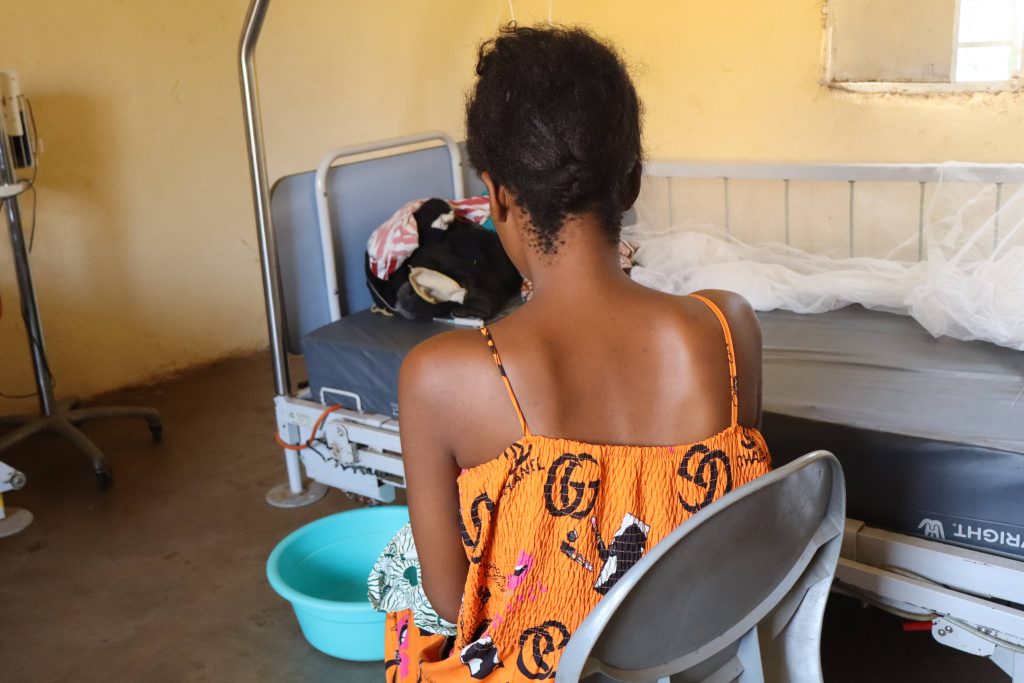
As far as health care is concerned, these women and children who have been raped are taken to the Luvungi hospital and the MHCD medical centre in Uvira for appropriate medical care. Children under the age of 5, girls under the age of 12 and even the elderly have been raped by the rebels and armed men. All these people were taken to Luvungi MHCD Hospital and the MHCD Medical Centre in Uvira town to receive medical and psychological care. Our doctors and nurses consulted and treated them free of charge. Those requiring surgery were all operated on free of charge and are currently in good health. In addition to medical and psychological care, they were given food and psycho-social support. Another major activity that the MHCD did for them was to integrate them into the various communities of Uvira and help them to lead an independent life (self-help) by giving them funds to start small businesses and other activities such as farming, livestock rearing and fish farming. To help them integrate into the community, we integrated them into the MHCD women’s development clubs, where they participate in meetings to exchange experiences with other women who have had the same problem but are now leading better lives.
We are delighted to inform you that all the people we have assisted and helped are in good health, thanks to the efforts and sacrifices of the MHCD health staff who treated, took care of, and supported them. We thank God because, for now, all patients we received at MHCD Hospital and Clinic are leading wonderful and happy lives. The raped children have been integrated into primary schools where they continue their studies, and we continue to provide them with social, psychological, moral and medical support.
We have received women who were victims of stray bullets. These women were treated and operated on free of charge at our hospital and medical centre. The good news is that they are all in good health. Our doctors did a very good job. We have also included them in the socio-economic and psychological programme.
As for the children and women suffering from malnutrition, we have opened a nutrition centre in Luvungi and Uvira, where we give them food and medical carefree of charge. Through this programme, more than 200 children and women receive food every day, while others are admitted to hospitals, especially those suffering from severe malnutrition associated with malaria. Through this programme, we have saved the lives of hundreds of children and women in Uvira Territory.
We have not forgotten the orphaned children and women of Goma in North Kivu Province. The MHCD has also helped over 100 orphaned children whose parents died during the January-February 2025 war. We have helped them with food, clothing and one of our BMI (Bethesda Ministries International) churches has set up an orphanage where they are housed and fed. We have also helped widowed expectant women whose husbands died during the war and other vulnerable women. We have given them food, clothes and birthing kits.
There are also Congolese refugees in Burundi who are suffering; they have no support whatsoever when the staff went to visit them. We had time to pray with them and also support them with food. We also organised a mobile clinic. For those who were ill we consulted, examined and gave them medicines free of charge. They were delighted to see us visiting them during such a difficult time.
These are the activities we carried out in February, March, April and May 2025. We would like to thank all the friends of the MHCD Australia Support Association, Uniting Church of Murray Bridge in South Australia, Kiwanis Club of Adelaide Hills, Bethesda Ministries International Australia and MHCD D.R. Congo who contributed financially so that we could have the means to help our brothers and sisters who are going through difficult moments and who need our support. Thank you also to all those who prayed for us. May the Good Lord bless you all.
Lastly, I would like to inform you that we currently have more than 350 patients in our Hospital in Luvungi and Medical Centre in Uvira who still need appropriate medical and psychological care.
Given the number of patients we have, we are unable to care for all of them because we don’t have enough medicines and consumables, which is why we have come to you to kindly ask for your support so that we can continue to save human lives. We need medicines and consumables such as catheters, bandages, syringes, sterile and non-sterile medical gloves, blood transfusion and infusion equipment, compresses, plasters, and laboratory equipment such as rapid tests for malaria, HIV/AIDS, hepatitis A, B, and C, typhoid fever, haemoglobin, blood grouping, etc.
We are also appealing to all well-wishers to help fund the food program for the patients and the many internally displaced people because most of the population practice subsistence farming, but with the influx of the rebels and the raging war, they are finding it difficult to access food, even a meal per day.
By supporting the MHCD’s Emergency Programme through its hospitals and Medical Centres, you will be saving Congolese lives and contributing to the socio-economic and health development of the DRC.