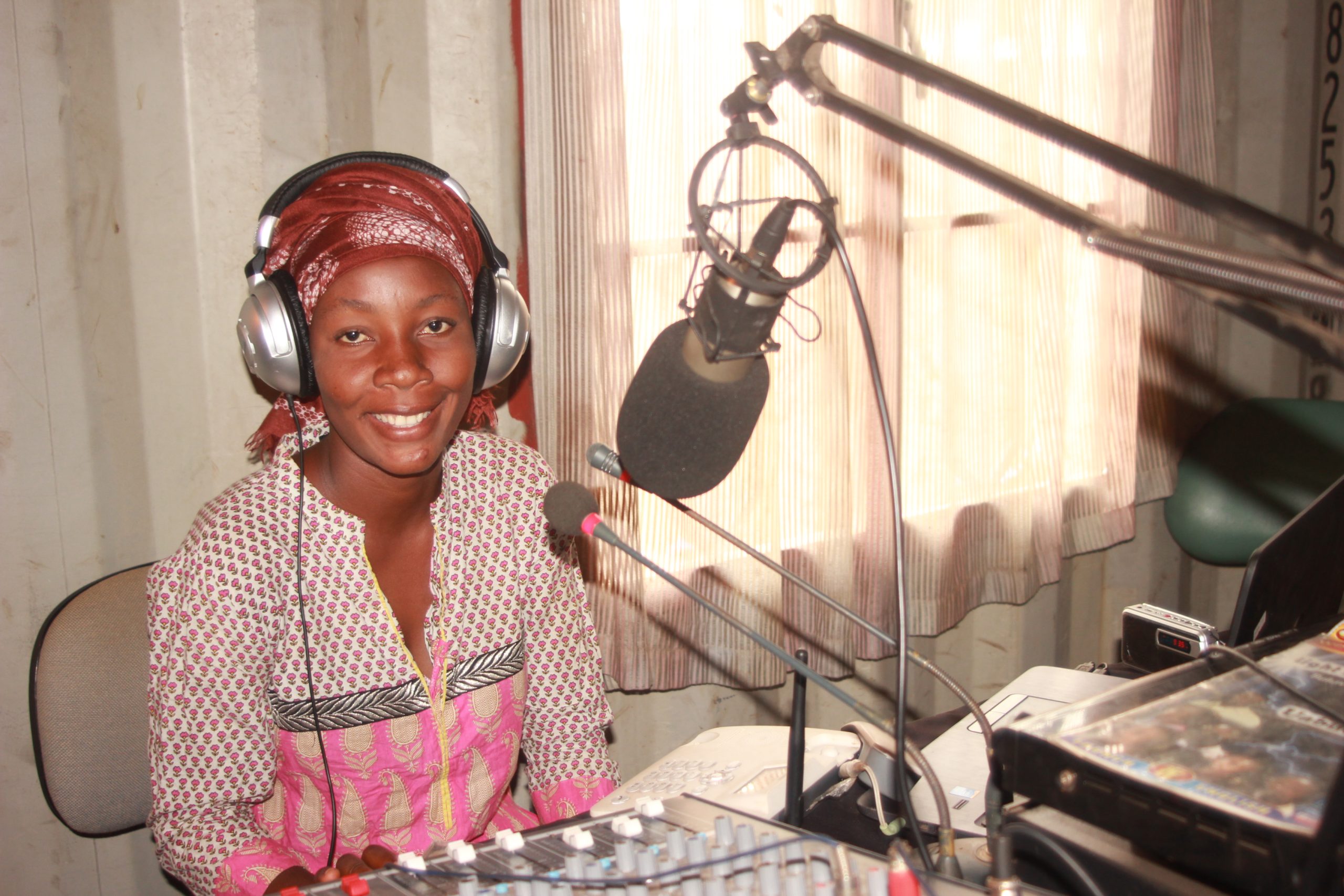
Radio Impact serves as the communications and awareness-raising department of the MHCD (Mission in Health Care and Development), established by Dr Luc Mulimbalimba Masururu in 2009. This radio station has significantly contributed to the socio-economic, educational, and health development of the Ruzizi Valley and the Uvira Territory.
Upon arriving in Luvungi at the end of 2009, Dr Mulimbalimba discovered a lack of modern communication in the area, home to over 40,000 people. When emergencies arose, such as lost children or stolen livestock, megaphones were the primary means of communication, requiring individuals to walk long distances to relay messages. This situation inspired Dr Mulimbalimba to create a more effective way to communicate with the community.
To modernise Luvungi and combat poverty, he initiated awareness campaigns to inform the population about his vision and goals. However, the absence of a communication platform made these efforts time-consuming and challenging. To address this, he conceived the idea of establishing a local community radio station. He quickly acquired a radio transmitter and generator, setting up Radio Impact, named for its mission to combat poverty, malnutrition, and hunger while promoting health care and socio-economic development, particularly for women and youth.
The launch of Radio Impact brought immense joy to the village, marking the beginning of a new era of communication. Through the station, Dr Mulimbalimba and his wife, Delice, began educating the local population on various topics, including primary health care, adult education, microcredit, and gender equality. They also addressed issues such as violence against women and provided educational content on agriculture, peace, and reconciliation.
To enhance community engagement, they established Community Development Radio Clubs across the Uvira Territory, including remote areas like Mulenge, Buheba, Ndolera,Lemera,Munanira and Bijombo. These clubs aimed to support women, youth, and children, combat maternal mortality, and promote women’s activities. The impact has been significant, leading to improved socio-economic and educational outcomes.
Every Saturday, community members gather to make bricks for local construction projects. Thanks to Radio Impact, over 500 volunteers participate, resulting in the production of more than 100,000 bricks used to build the village’s first hospital. Today, Luvungi boasts a 150-bed hospital, primary and secondary schools, a midwifery and nursing school, and a university equipped with medical materials from Australia.
Radio Impact has also provided a platform for women who have experienced violence to share their stories, leading to increased awareness and treatment for sexually transmitted diseases and related issues. Many women, once isolated and in distress, have found support and employment opportunities through the MHCD.
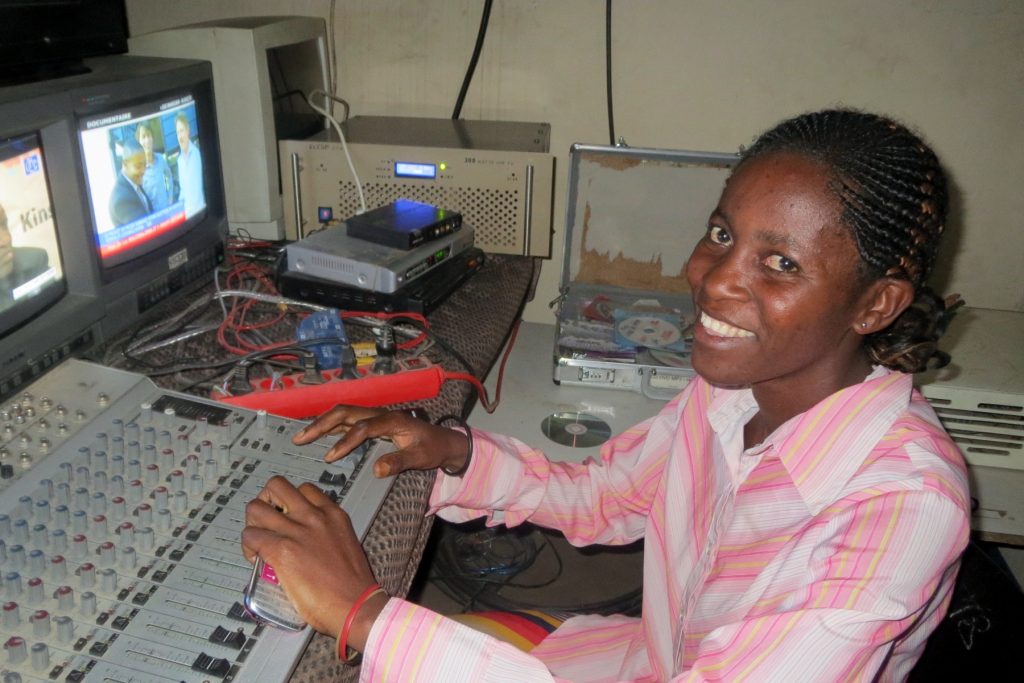
The station has played a crucial role in reducing infant mortality rates, addressing malnutrition, and denouncing sexual violence. To enhance safety, the radio has distributed telephones to women leaders in various clubs, enabling them to report suspicious activities directly. This quick communication helps alert the community and law enforcement, significantly improving safety for women.
Radio Impact has also trained midwives through dedicated broadcasts, fostering community connections and creating over 300 women’s development clubs. The station’s programs are popular not only in the Uvira Territory but also across borders in Burundi, Rwanda, and Tanzania.
In light of the humanitarian crisis following the January 2025 conflict involving the M23 rebels, Radio Impact has become a critical resource for internally displaced persons (IDPs) seeking medical assistance. Many have learned about the MHCD Luvungi Hospital and Medical Centre through the radio, leading to increased treatment for gender-based violence and malnutrition.
Currently, Radio Impact operates two stations: the original in Luvungi and another in Uvira, with a new station recently opened in Sange village. However, the station faces challenges due to a lack of consistent support. To continue its vital work, Radio Impact requires funding for operational costs, transportation for journalists, communication equipment, and solar energy solutions for Uvira and Sange stations.
Support from partners like the Zonta Club of Adelaide Torrens has been invaluable, but more is needed to sustain the radio’s mission of saving lives and promoting socio-economic, health, and educational activities in the Uvira Territory.