The MHCD (Mission in Health Care and Development) Democratic Republic of Congo (DRC) has relaunched women’s socio-economic activities through community development and midwifery clubs in the Territory of Uvira, Province of South Kivu in the DRC.
Most of these activities had been halted due to a lack of financial resources, but through visits from MHCD Australia Support Association (Dr Julie Monis Ivett and Jenny Weaver) and the BMI (Bethesda Ministries International) pastors (Darren Hessenberger and Rod Klimionok) in October-November 2024, we were able to relaunch these activities in March – April 2025.
These activities consist of socio-economic, health, and development support for women and youths in difficult situations, especially women living in rural areas who have been affected by the various wars in the DRC. Women and community empowerment include personal (psychological) and organisational empowerment, and broader social and political actions. The main objective of this community development program for women and youth is to teach them how to become self-sufficient and self-employed, and to be independent in various ways to fight hunger, malnutrition, sexually transmitted diseases, and poverty.
These women are grouped into clubs of between 20 and 100 people. Most are widows, single mothers, women who have been victims of sexual violence, traditional midwives, and other vulnerable women.
They meet once a week, and others twice a month. During their meetings, they discuss family issues, difficulties in their households and communities, health problems, and how to solve them and be self-sufficient. They also take the opportunity to follow up on their community and individual projects and activities. Those who have not succeeded in their projects are encouraged to acquire new orientations and strategies to succeed like other women. The Community Development and Midwifery Clubs help women to take initiative, make decisions independently, and solve complex problems. This is the right moment of friendship, solidarity, hope, love, and happiness for them.
Through this community development program, we have relaunched the micro-credit projects for women by granting them money to continue with the small businesses project. We provide small loans to women for self-employment activities, which allows them to achieve a better quality of life. Mostly, they sell vegetables, tomatoes, fish, cabbage, maize flour, cassava flour, onions, meat, fruit, sugar cane, and other food products.
The others are involved in fish-farming projects, farming tilapia fish. This project is progressing very well and is one of the most successful projects.
Through the fish farming project, they have managed to combat malnutrition and hunger and give the villagers fish, so they can eat fish at lower prices, which also contributes to the socio-economic and health development of the village.

There is also the livestock project, where the women raise goats, chickens, pigs, and rabbits. This livestock project is also evolving very well and is one of the projects helping the socio-economic emergence of the villages.
Lastly, other women are involved in tailoring projects where they create and open tailoring training centres and workshops, local production (manufacturing) of toilet soaps and detergents, computer training centres where they teach women and youth Information Technology, writing letters, making wedding cards and invitations to the villagers, opening hotels (restaurants), hairdressing and beauty salons, shops, cafeterias, and milk sales. This program and project are regarded as very exciting anti-poverty tools for the poorest, especially women and youth.
All these quick-impact projects have changed the lives of many women in the various villages of Uvira Territory. These women and young people are very proud of themselves because they have become independent, self-sufficient, and responsible women.
Through these projects, they no longer go hungry, they have food to feed their families, they send their children to school and pay school fees, and they can pay for medical care for their children and other family activities.
What’s important for them is that they forget their suffering and have the joy of living in peace and happiness. They also contribute to the socio-economic, cultural, and health development of their villages and communities.
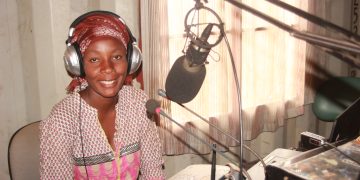
Every week, they have a program on Impact Radio where they talk about the benefits and success of their program, which encourages other women in difficulties to join the clubs and create other development and midwifery clubs in their villages. Many thanks to all those who have contributed to the success of this program, especially Dr Julie Monis Ivett, Jenny Weaver, Darren Hessenberger, Rod Klimionok, MHCDASA, and Bethesda Ministries International Australia. May God bless and protect you all.